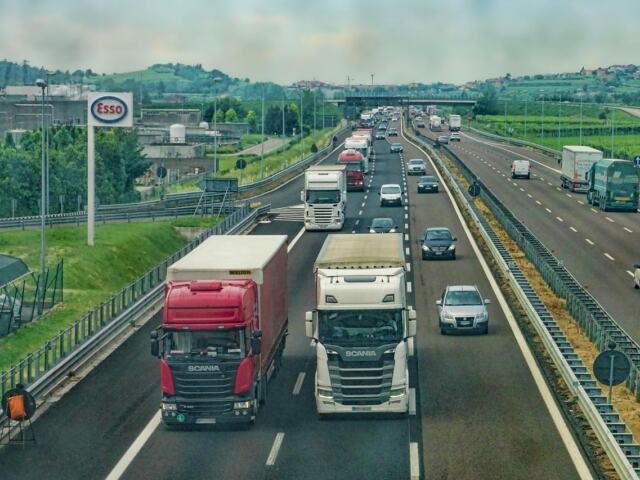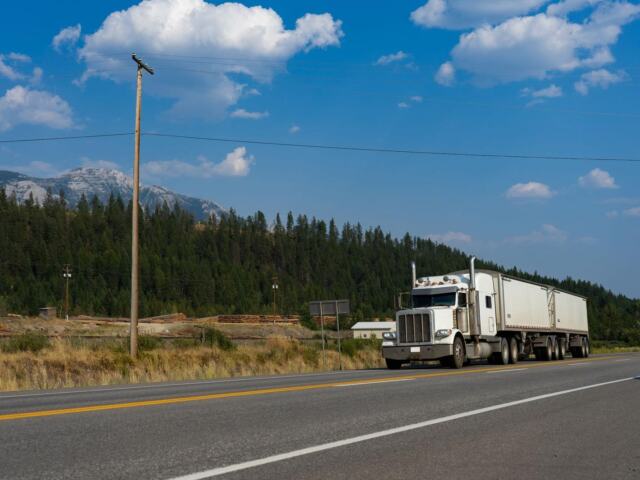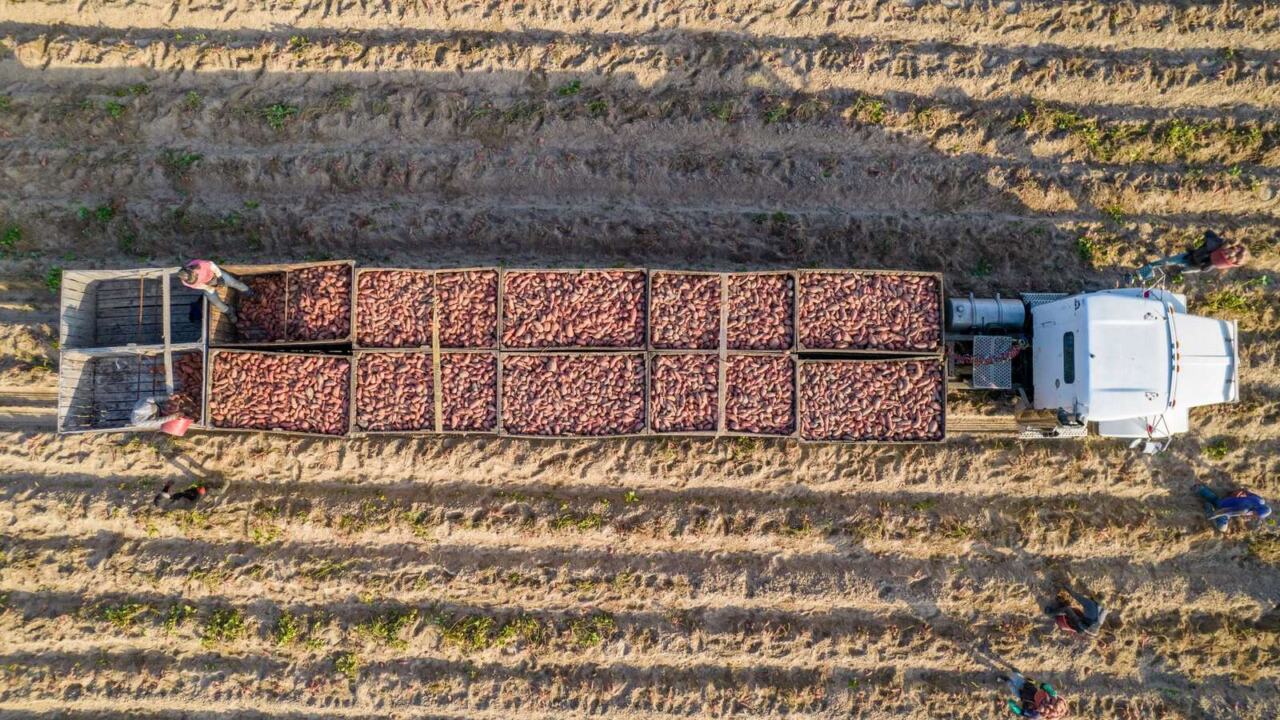
Hauling crops or livestock and wondering about the agricultural eld exemption? It is really an hours-of-service exemption, so qualifying trips inside 150 air miles of the source during state-defined seasons need no ELD. Cross the line and the rules return.
This guide is part of our wider look at eld compliance.
| Item | Value |
|---|---|
| Exemption radius | 150 air miles from the source of the commodity |
| When it applies | Harvest and planting seasons as defined by each State |
| Effect of the ELD rule on HOS exemptions | No change to any current hours of service exemption |
| Paper-log allowance for other drivers | Not more than 8 days out of every 30-day period |
| Definitions clarified by FMCSA interim final rule | Effective December 9, 2020 |
Figures come from the November 2020 Federal Register notice and an ELD rule FAQ. Rules can change, so check the source before you rely on them.
What the agricultural exemption actually exempts
The exemption removes hours-of-service limits for certain trips. An ELD exists to record hours of service, and the FMCSA notice describes qualifying drivers as exempt from the hours-of-service requirements.
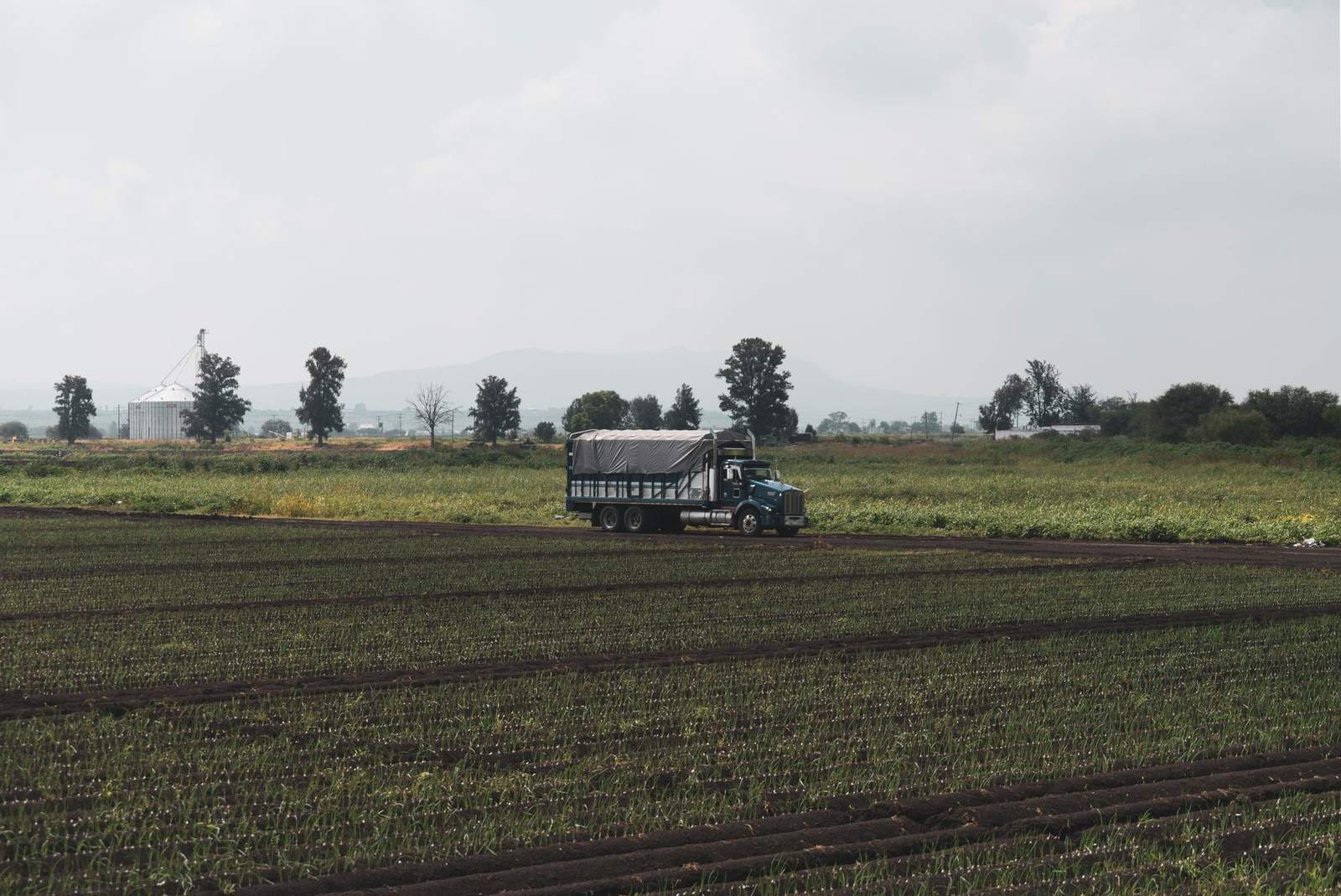
As described in the FMCSA’s November 2020 interim final rule, drivers moving agricultural commodities, including livestock, from the source to a location within 150 air miles of that source are exempt from the hours-of-service requirements during harvest and planting seasons as defined by each State. Two conditions sit inside that sentence: the distance and the season.
The ELD rule itself did not widen or narrow this. According to the ELD rule FAQ, the rule “does not change any of the current hours of service exemptions.”
Is your load an agricultural commodity?
Not every load that looks like farm freight qualifies. Under the 2020 interim final rule, FMCSA stepped in because broad wording had led to inconsistent application of the exemption.
The same notice says the definition of agricultural commodity covers any agricultural commodity, non-processed food, feed, fiber, or livestock. The agency clarified three of those terms:
- “any agricultural commodity”
- “non-processed food”
- “livestock”
The clarification was expected to matter most to haulers of perishable horticultural commodities, non-processed food, or livestock, including aquatic animals. If your cargo is processed or sits in a grey area, read the full definitions in the notice rather than assuming.
How the 150 air-mile radius works in practice
An air mile is a straight-line measure, not road distance. A winding route can be long on the road and still sit inside the radius, as long as the straight-line gap between the source and the drop is short enough. Measure on a map, not on the odometer.
Think through a trip in stages:
- Identify the source of the commodity, since the radius is measured from it.
- Confirm that your state treats the date as a harvest or planting season.
- Check that the delivery point is within the radius of the source.
- If any part of the planned route goes past the radius, plan for normal hours-of-service rules on that part.
The notice speaks of drivers transporting commodities from the source to a location within the radius. Questions about empty return legs, multiple pickups or delivery points beyond the radius are better answered by FMCSA’s own guidance than by guesswork. Ask your state agency or a qualified compliance professional.
Other ways a driver can avoid an ELD
The ag exemption is not the only route. The ELD rule FAQ lists several limited exceptions to the mandate, and some may fit a seasonal hauler better than the ag exemption does. Which one suits you depends on how many days a year you run regulated work, what you haul and how old the truck is.
- Short-haul drivers who qualify can keep using timecards instead of records of duty status.
- Drivers who use paper records of duty status for not more than 8 days out of every 30-day period.
- Drivers of vehicles with engines built before 2000.
For the 8-day allowance, the FAQ says: “The 30-day period is not restricted to a single month, but applies to any 30-day period.” Its example is that June 15 to July 15 counts as a 30-day period. Seasonal haulers should therefore count on a rolling basis rather than by calendar month.
That matters in a busy harvest. A driver who is on paper logs for a stretch of regulated runs in late summer could cross the line without noticing if the count only restarts on the first of a month. Keep a running tally, and decide in advance who owns it, whether that is the driver, the dispatcher or the owner.
On the older-engine exception, one vendor’s summary says the exemption now applies to vehicles with pre-2000 engines, regardless of their VIN. Check the engine’s build year, not only the VIN, before you rely on it.
Per the same FAQ, drivers who operate under the short-haul exceptions may continue using timecards; they are not required to keep RODS and will not be required to use ELDs.
Common mistakes with the agricultural exemption
Most problems come from assuming the exemption is broader than it is. A few misreadings show up again and again.
- Treating “agricultural” as a label for any farm-related freight, including processed goods.
- Applying the exemption outside the state-defined harvest or planting season.
- Measuring distance by road instead of in air miles.
- Assuming that an exempt trip means no records at all.
- Forgetting that a trip can start exempt and end up regulated.
None of these is hard to avoid with a written trip plan. A short checklist in the cab, reviewed at dispatch, covers most of it.
Mixed seasons and the records you should keep
A carrier may run exempt harvest hauls in autumn and regulated long-haul work the rest of the year. That mix is where mistakes happen, because a driver who is exempt on Monday can be fully regulated on Thursday.
Useful habits for mixed operations:
- Note on each trip record where the commodity was loaded and where it was delivered.
- Keep the state’s season dates on file for the period you rely on the exemption.
- Count paper-log days if you are leaning on the 8-in-30 allowance.
- Tell drivers plainly when a trip leaves the exempt zone.
How long to hold those records is covered in our note on eld record retention. For the wider background on who the device rule covers, see the overview of the eld mandate.
This site is independent and educational. It is not affiliated with any agency or company named, and nothing here is legal advice or an official ruling. Confirm your own situation with the regulator.
Frequently asked questions
Do agricultural haulers need an ELD?
Show answer
Not for trips covered by the exemption. According to the ELD rule FAQ, the ELD rule does not change any of the current hours of service exemptions, so exempt trips stay exempt.
Does the exemption apply all year?
Show answer
The November 2020 FMCSA notice ties the exemption to harvest and planting seasons as defined by each State. Check your state’s season dates.
What happens when I go past the radius?
Show answer
The exemption described in the notice covers movement within 150 air miles of the source. Beyond that, expect normal rules, and get FMCSA guidance for the exact treatment of mixed trips.
Is livestock covered?
Show answer
Yes. The 2020 notice treats livestock, including aquatic animals, as part of the agricultural commodity definition it clarified.