Wondering whether your older truck needs a logging device? The ELD pre-2000 engine exemption turns on the engine’s model year, not the truck’s registration: an engine older than 2000 means no ELD requirement.
| Item | Value |
|---|---|
| What decides the exemption | The engine model year, not the registration year |
| Engine older than model year 2000 | Driver is not subject to the ELD rule |
| Newer engine in an older chassis | Driver is subject to the ELD rule |
| Typical case where years differ | A truck rebuilt using a glider kit |
| Cost the exemption was meant to avoid | As much as $10,000 for a retrofit |
These figures come from a copy of FMCSA’s general ELD FAQ and FreightWaves reporting. Rules and guidance can change, so check the source before you rely on them.
This guide is independent and educational. It is not legal advice and has no connection to any agency or product named. For the wider picture, see our overview of eld compliance.
What the pre-2000 exemption actually says
Federal ELD rules do not cover every truck. One long-standing carve-out is for vehicles with older engines, because the device must connect to the engine control module.
The original Federal Register notice stated it simply: “ELDs are not required on CMVs older than model year 2000.” That wording pointed at the vehicle, which later caused confusion.
FMCSA’s FAQ then settled the question in favor of the engine. It says: “If the engine model year is older than 2000, the driver is not subject to the ELD rule.”
Why the engine year, not the VIN, controls
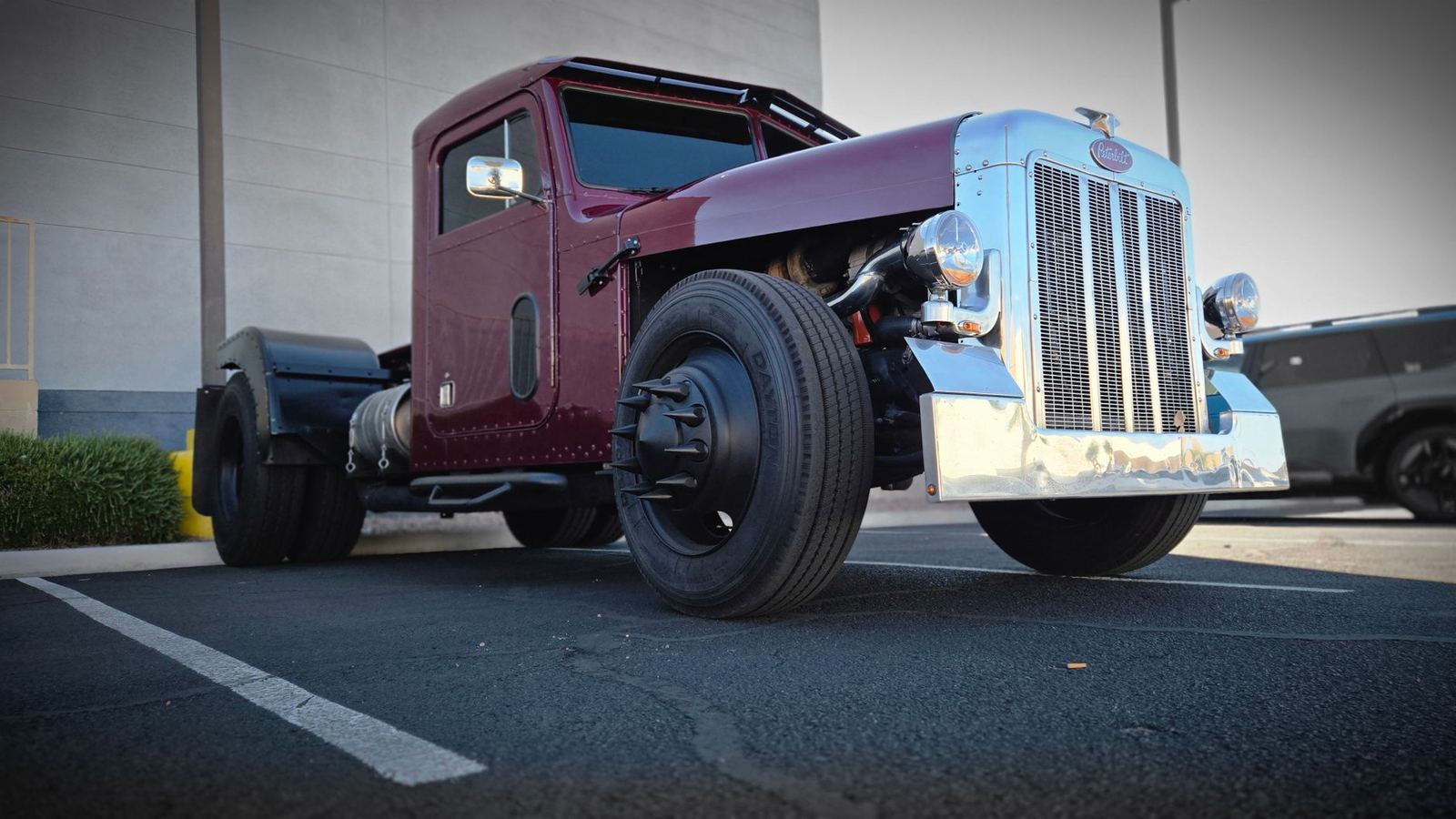
A truck’s registration and its engine can carry different years. FMCSA’s FAQ explains that this happens “most commonly when a vehicle is rebuilt using a ‘glider kit.’”
In that situation, the guidance says an inspector “should use the model year on the engine to determine if the driver is exempt from the ELD requirements.”
FreightWaves reported that the rule had been based on truck model year, even though “many drivers still operate vehicles with engines older than model year 2000 in vehicles with a registration showing model year 2000 or newer.”
Why older engines were exempted at all
FreightWaves reports that the exemption existed because an ELD must connect to the engine control module. On pre-2000 engines, the cost to do that “could run as much as $10,000 for a retrofit.”
How the rule plays out on real trucks
Three common setups show how the engine-first logic works. Check the engine plate or manufacturer paperwork in each case, not the registration alone.
- Older truck, older engine: the driver is outside the ELD rule.
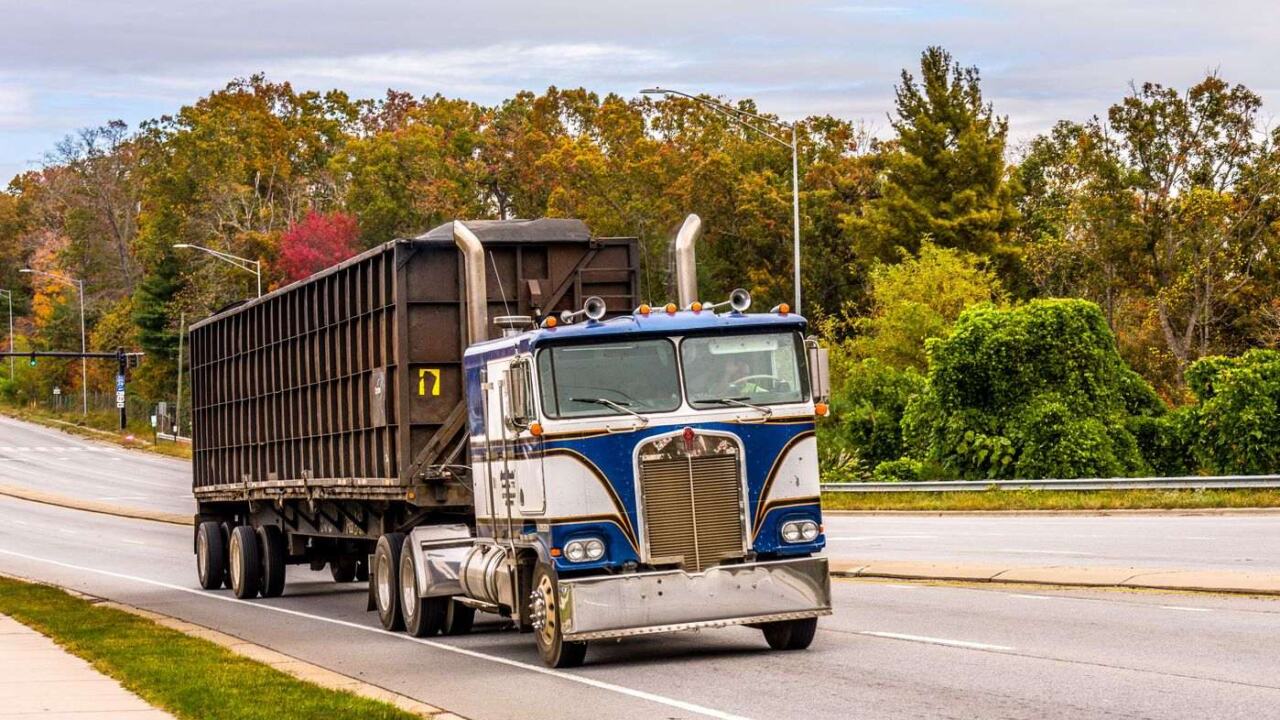
- Newer chassis, pre-2000 engine (such as a glider kit): the exemption follows the engine, so the driver is still outside the rule.
- Older chassis, engine from 2000 or newer: the driver is subject to the rule, even if the VIN looks old.
Motive’s explainer makes the same point: vehicles “that have engines with the model year 2000 or newer still fall under the jurisdiction of the ELD mandate, despite being equipped on trucks with VINs older than 2000.”
The exemption follows the engine, so an engine swap can end it. Swap in an engine from 2000 or newer and the truck should be treated as covered from then on.
Records you should keep
FMCSA’s FAQ says a driver does not have to carry paperwork proving the engine year. It adds that “49 CFR Part 379 Appendix A requires motor carriers to maintain all documentation on motor and engine changes at the principle place of business.”
In practice, useful records include:
- The engine plate details or manufacturer documentation showing the engine year.
- Rebuild, swap or glider-kit purchase paperwork tying the engine to the truck.
- Maintenance entries that record any later engine change.
An inspector who sees a recent registration year may ask questions, so being able to show the engine’s age matters. Keep the file at your base of operations.
Other exemptions to compare
The pre-2000 engine rule is one of several. FleetRabbit lists the main federal paths as drivers who need a record of duty status “on no more than 8 days in any 30-day period,” driveaway-towaway operations, “vehicles with engines built before model year 2000,” and short-haul drivers within 150 air-miles.
That same source says drivers under the 8-in-30, driveaway and pre-2000 exemptions keep paper logs. Details of the distance-based option are in our guide to the short haul exemption eld.
Using the exemption wrongly can be costly. Read about eld penalties and fines before you assume a truck is exempt.
A practical checklist before you rely on the exemption
Treat the exemption as something you can prove, not something you assume. A short routine for each truck keeps the answer clear if anyone asks.
- Find the engine year first. Look at the engine plate or the manufacturer’s documentation, since the guidance points inspectors to the engine and not the registration.
- Compare it with the registration. If the years differ, note why, for example a glider kit or an engine swap.
- Confirm the engine is older than 2000. An engine from 2000 or newer puts the driver under the rule, whatever the VIN suggests.
- Store the paperwork at your principal place of business, as the FAQ’s reference to Part 379 Appendix A describes.
- Re-check after every engine change, because a newer engine ends the exemption.
Common mistakes to avoid
One error is reading the registration year and stopping there. That was how the original wording worked, and it is the reason the guidance was later clarified toward the engine.
A second mistake is assuming a glider kit is automatically exempt. FleetRabbit puts it plainly: “Glider kits keep the exemption only if they carry a pre-2000 engine.”
A third mistake is forgetting that the exemption is not a ban. Because a driver can still use an ELD on an older vehicle, some operators choose a device anyway. That choice is yours, and the exemption simply means the law does not force it.
Why the paper trail matters
Since a driver does not have to carry engine-year proof, the burden falls on the carrier’s files. If an inspector questions a truck with a recent registration year, clear records let the carrier show that the engine, not the chassis, sets the status.
Good records also help when you compare this exemption with the others. Paper logs remain the fallback under the pre-2000 route, so the log-keeping habits that apply to other exempt drivers apply here too.
Frequently asked questions
Does a glider kit truck need an ELD?
Show answer
It depends on the engine. FMCSA’s FAQ says to use the model year on the engine, so a glider kit with an engine older than 2000 is not subject to the ELD rule.
Is the registration year enough to claim the exemption?
Show answer
No. The guidance points to the engine model year, which can differ from the registration year. Have engine documentation ready.
Can I still use an ELD on a pre-2000 truck?
Show answer
Yes. The FAQ answers “Yes” to whether a driver can use an ELD on a vehicle older than model year 2000. The exemption removes the requirement, not the option.
Where should engine records be kept?
Show answer
Motor carriers must keep documentation on motor and engine changes at their principal place of business, according to the FAQ’s reference to 49 CFR Part 379 Appendix A.