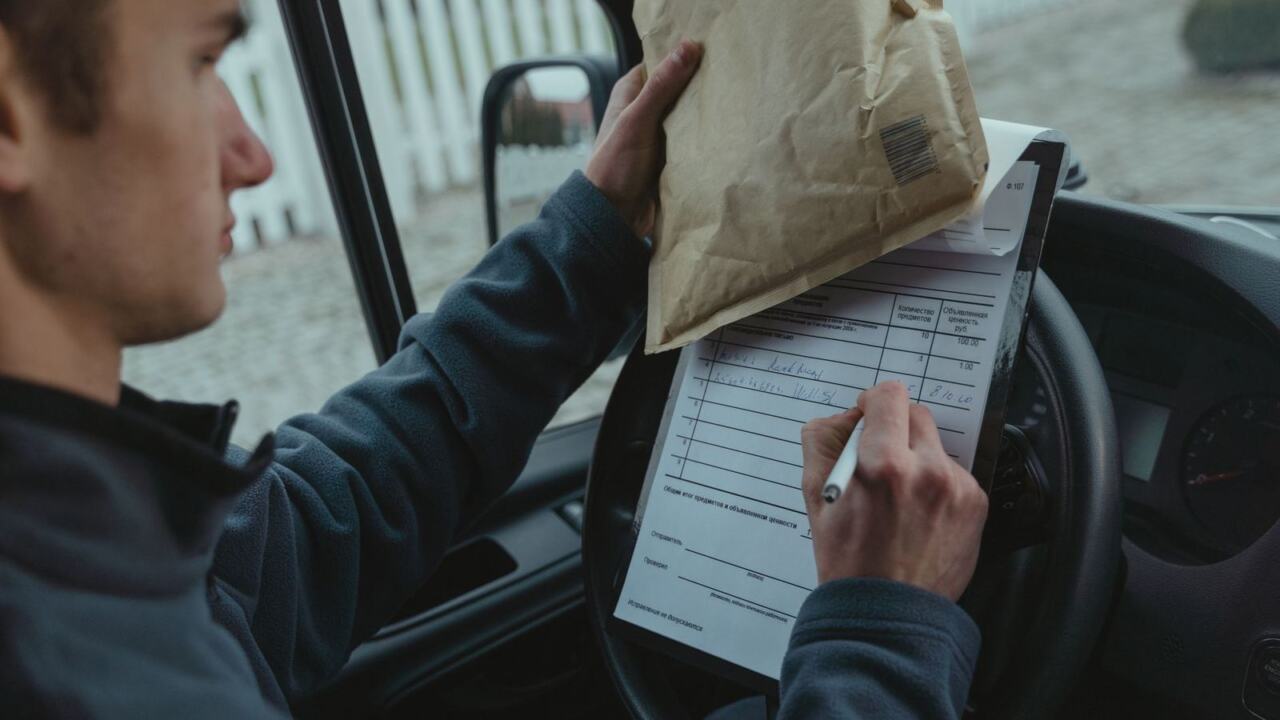
Worried your dispatcher is using your logs against you? The eld driver harassment rules say a carrier may not use ELD data to harass you, but productivity monitoring is still allowed. Here is where the line sits.
This guide is part of our fleet management eld coverage.
| Item | Value |
|---|---|
| Rule that bars harassment | 49 CFR 390.36 |
| Who is barred from harassing drivers | Motor carriers |
| Where a driver files a complaint | Written complaint under § 386.12(b) |
| Productivity monitoring | Allowed if it does not result in harassment |
| ELD use required by | December 18, 2017 |
These figures come from the text of 49 CFR 390.36 and the December 2015 ELD final rule. Rules can change, so check the source before you rely on them.
What the ELD driver harassment rules say
The core text is short: “No motor carrier may harass a driver.” That sentence sits in paragraph (b)(1) of 49 CFR 390.36, titled “Harassment of drivers prohibited.”
The rule covers drivers employed by the carrier, including an independent contractor while operating a commercial motor vehicle on the carrier’s behalf. It applies to carriers, not to the device maker or to shippers and receivers.
The rule’s definition of harassment covers an action by the carrier toward a driver that involves the use of information available through an ELD, or through other technology. Involving ELD data is not the whole picture, though: the 2015 final rule says harassment is considered in cases of alleged hours-of-service violations. So the rule is about what a carrier does with the data, not the mere fact that data exists.
What counts as harassment, and what does not
The rule does not ban monitoring. Paragraph (b)(2) says nothing in the ban prevents a carrier from using allowed technology “to monitor productivity of a driver provided that such monitoring does not result in harassment.”
In practice, the dividing line is the effect of the carrier’s action. Think of it this way:
- Generally fine: reviewing miles, idle time or delivery performance as part of ordinary fleet management.
- Risky for the carrier: using ELD information in a way that leads to a driver breaking the hours-of-service rules or the rule on driving while ill or fatigued.
- Not covered by this rule alone: pressure that has nothing to do with ELD data, which may fall under the separate coercion rule.
Our eld driver privacy guide covers what data a device collects, which helps you judge what a carrier could actually see.
Penalties and the underlying violation
The 2015 final rule links harassment to hours-of-service cases. It says that “the penalty for harassment is in addition to the underlying violation under 49 CFR 392.3 or part 395.”
That means harassment is not a free-standing complaint about a rude message or a tough dispatcher. It is tied to a situation where the driver’s compliance with the hours-of-service rules, or the rule on driving while ill or fatigued, was affected.
For drivers, the lesson is to keep records that show the hours-of-service problem as well as the carrier’s action. For carriers, the lesson is that a penalty can stack on top of the original violation.
Why regulators still allow productivity monitoring
FMCSA explained in the rule that, as long as a carrier’s action does not constitute prohibited harassment, a carrier may legitimately use the devices to improve productivity. The agency did not want to treat every dashboard or report as a violation.
The rule also says its harassment provisions take effect with the use of an ELD. The use of an ELD was required by December 18, 2017, so the protection applies to devices that fall under that mandate.
A fair carrier policy usually has these features:
- Written rules on what data managers review and why.
- Messages that ask about status instead of demanding that a driver continue.
- An ELD whose audible output can be muted, or mutes automatically, in sleeper berth status.
- A clear way for drivers to question a log edit request.
How the ELD design limits misuse
The 2015 final rule does not rely only on the ban. It says technical provisions that address harassment include “a mute function to ensure that a driver is not interrupted in the sleeper berth.”
The rule also says the design of the ELD “allows only limited edits of an ELD record” and that the original record cannot be changed. Drivers may edit, add missing information and annotate records, but the original is kept.
- The mute control must either engage automatically or let the driver turn off the audible output when the driver puts the ELD into sleeper berth status and, in the case of co-drivers, when no other driver has logged into the ELD in an on-duty driving status.
- Edits by a driver or by the carrier must be annotated to document the reason.
- Anyone editing needs a unique login ID, so changes can be traced.

How a device connects can affect which features you see in the cab. Our comparison of bluetooth eld vs hardwired eld setups explains the practical differences.
How a driver can file a complaint
A driver who believes he or she was harassed “may file a written complaint under § 386.12(b)” of the safety regulations. That is the route the regulation itself names.
This article does not cover the detailed filing steps or any deadline, so confirm the current steps directly with the agency.
- Write down the date, what was said or done, and which ELD data was involved.
- Keep screenshots, messages and the related log records.
- Check the agency’s current complaint instructions before you submit.
Good records matter because the harassment rule is tied to hours-of-service cases. A clear timeline of what the carrier did, and what the logs showed at that moment, makes the facts easier for anyone reviewing the complaint to follow.
This site is independent and cannot take complaints, give legal advice or act for you.
Harassment, coercion and other protections
Harassment and coercion are separate rules. The 2015 ELD rule notes that FMCSA had just adopted a rule that defines “coerce” or “coercion” and prohibits coercing drivers, at 49 CFR 390.5 and 390.6.
If pressure to break the rules did not involve ELD information, that coercion rule may be the better fit. A driver who is unsure which applies can describe the facts in the complaint and let the agency sort it out.
Practical takeaways for drivers and fleets
Drivers should know that the ELD is meant to record duty status accurately, and the rule’s design features exist to keep that record from being used as a pressure tool. Knowing the mute setting and the edit rules helps you spot when something is off.
Fleet managers should treat the rule as a design brief for their own policies. If a message, report or call could push a driver past the hours-of-service limits, it is worth rewriting before it reaches the cab.
Both sides benefit from a plain written policy that states what the carrier monitors, who sees it and how drivers can raise a concern.
Frequently asked questions
Can my carrier still monitor my driving through the ELD?
Show answer
Yes. The rule says carriers may use allowed technology to monitor productivity, provided the monitoring does not result in harassment.
Does the rule protect owner-operators leased to a carrier?
Show answer
It covers an independent contractor while the contractor is operating a commercial motor vehicle on behalf of the motor carrier.
Can the carrier erase or rewrite my logs?
Show answer
No. Edits are limited, must be annotated with a reason, and the original record generated by the device cannot be changed.
Where do I file a harassment complaint?
Show answer
The regulation points to a written complaint under § 386.12(b). Check FMCSA’s current instructions for the exact filing steps.