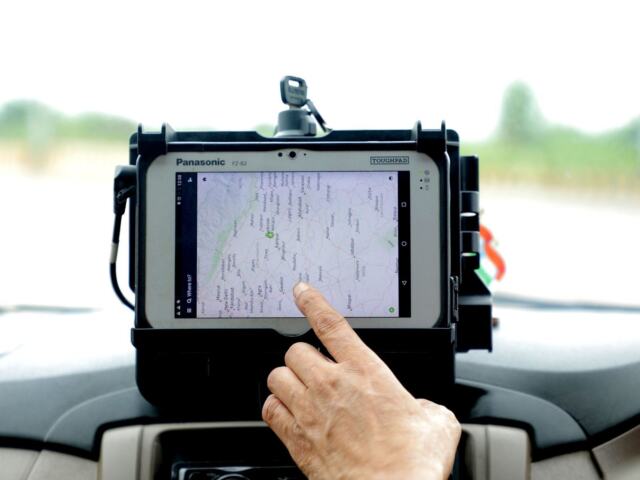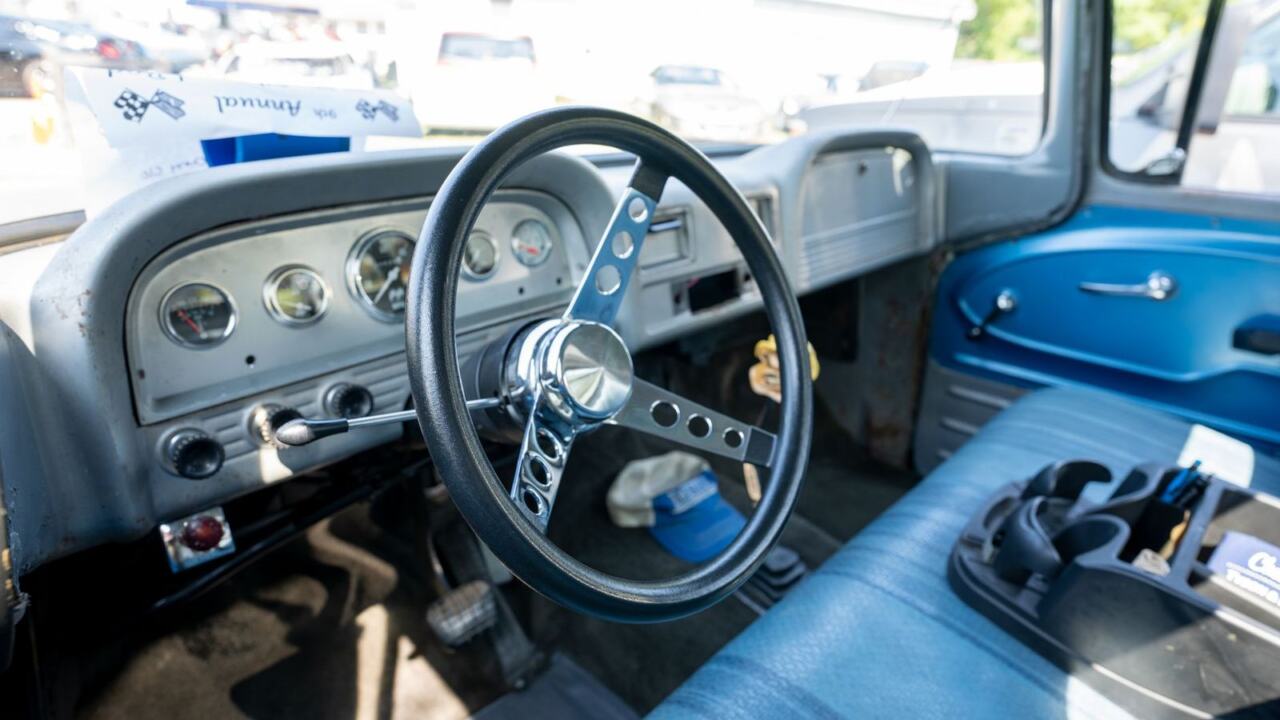
Wondering about aobrd vs eld because an old logbook device turned up in a used truck? An AOBRD was a simpler recorder, while an ELD must meet stricter rules on driving status, data transfer and edits.
For the basics of the modern device, read our guide on what is an electronic logging device.
| Item | Value |
|---|---|
| Date AOBRDs stopped being allowed | December 16, 2019 |
| ELD compliance date (phase 2 start) | December 18, 2017 |
| ELD automatic driving status | Recorded once the vehicle reaches 5 mph, unless the driver selects Yard Move or Personal Conveyance |
| AOBRD automatic driving status | Not required |
| Roadside data transfer, ELD | Telematics or local transfer |
| Unidentified driving, ELD | Must be recorded |
These figures come from EROAD’s comparison chart and FreightWaves, both secondary sources. Rules and dates can change, so check the source and the current FMCSA text before you rely on them.
What an AOBRD was
An AOBRD is an automatic on-board recording device, an electronic way to record a driver’s hours that came before the ELD mandate. Fleets that kept using them were “grandfathered” for a set period.
That period ended on December 16, 2019. According to FreightWaves, as of that date “any driver still running an AOBRD will be in violation of the electronic logging device (ELD) law.”
So today the comparison is mostly historical. It still helps if you meet older hardware, read old records or wonder why a device was replaced.
The same article describes how murky the numbers were before the cutoff. It says one provider, Keller, estimated that about 60 percent of motor carriers were operating with an AOBRD, while other manufacturers reported various percentages.
How the two device types differ
Both record hours of service. As Samsara puts it, “an ELD provides more advanced recording features that make it compliant with the Federal Motor Carrier Safety Administration’s (FMCSA) ELD mandate.”
The EROAD comparison lists these areas of difference:
- Roadside inspections: an ELD must be able to transfer its data by telematics (web services and email) or locally (the chart’s list begins with USB).
- Location records: an AOBRD location could be automatic or manual. An ELD must capture coordinates automatically.
- Driving status: an AOBRD was not required to record it automatically. An ELD must do so once the vehicle reaches 5 mph.
- Edits: an ELD driver can review, edit and annotate, and every edit needs an explanation.
- Unidentified driving: an ELD must record trips made with no driver logged in.
The location rules show the gap clearly. An AOBRD recorded location at each change of duty status, either automatically or by hand. An ELD has to capture it automatically, with reduced precision allowed only when the driver operates under personal conveyance, according to EROAD.
Put simply, the AOBRD left many choices to the device maker. The ELD turned those choices into fixed requirements that every compliant device has to meet.
Driving status and edits in practice
The 5 mph trigger mattered in the field. EROAD notes that some older devices waited until the vehicle reached 12 mph, which it calls not compliant.
The chart also says some AOBRDs that automatically recorded driving status did so at the provider’s discretion. An ELD removes that discretion, apart from the special categories of yard move and personal conveyance a driver can select.
Edits changed too. With an AOBRD, a carrier could edit records to reflect the driver’s activity. Under the ELD approach, carriers may suggest edits, but the driver must accept or reject them and recertify.
Unidentified driving is a new duty for many carriers. The driver is prompted to approve or reject such trips at login, and the carrier assigns them or annotates why the time is unassigned. EROAD points out that carriers used to correcting logs under an AOBRD may find this an adjustment.
The transition timeline
The change did not happen overnight. Samsara says the mandate provided a two-stage compliance timeline for moving from AOBRDs to ELDs.
The EROAD timeline gives these milestones:
- February 16, 2016, the effective date: ELD providers with a compliant product could register on the FMCSA registry. Carriers and drivers could voluntarily adopt ELDs.
- December 18, 2017, the compliance date: ELD became mandatory for qualifying carriers and drivers, unless they were using AOBRs, the shorthand EROAD uses for AOBRDs.
- December 16, 2019, the full compliance date: the end of AOBRD grandfathering, when all carriers and drivers had to use ELDs.
The Samsara post, dated October 31, 2019, said more than forty percent of drivers still used AOBRDs as the deadline approached. That means a large share of drivers still had to switch close to the deadline.
Self-certification and malfunction detection
The ELD rule also changed how devices reach the market. According to EROAD, the final rule sets out technical standards and functional specifications for an ELD to be considered compliant and eligible for self-certification and registration on the FMCSA website.
It adds that getting on the registry is the easy part for a provider. Staying on it depends on having a compliant product that works for drivers and carriers in every kind of commercial vehicle operation.
The chart lists malfunction detection among ELD features, with internal audit controls built into the system to flag data inconsistencies and system failures. That is one more place an ELD does more than a simple recorder.
What this means for your logs and inspections
You can see what an ELD’s data file contains in our page on the eld output file. Drive and duty limits are covered in our overview of hours of service rules.
If you are unsure what a device is, FreightWaves describes a first step of identifying whether you have an AOBRD installed and whether you need to replace it with an ELD. Some AOBRDs could be switched to ELD mode.
The EROAD chart frames its checks as questions you can put to a provider:
- Has the device been upgraded to transfer data by telematics or local options?
- Can it pick up speeds as low as 5 mph for automatic driving status?
- Is the carrier ready to assign unidentified driving trips or annotate why the time is unassigned?
These questions are useful even for a device that already calls itself an ELD. A product that cannot answer them clearly deserves a closer look at the FMCSA registry listing.
For drivers, the practical change is the edit process. You can no longer expect a carrier to quietly fix a log, because every change needs an annotation and your acceptance. For carriers, the change is oversight: someone has to own unidentified driving and the review of logs.
This site is an independent educational resource and is not connected to any agency or device maker named here. For a compliance decision about a specific truck or fleet, rely on the current FMCSA rule text rather than a summary like this one.
Frequently asked questions
Can I still use an AOBRD?
Show answer
No. Per FreightWaves, a driver still running one after December 16, 2019 would be in violation of the ELD law.
Was an AOBRD the same as paper logs?
Show answer
No. Both AOBRDs and ELDs are electronic devices that record hours of service, according to Samsara.
Could an AOBRD be upgraded to an ELD?
Show answer
Sometimes. FreightWaves notes that some AOBRD devices can be switched to ELD mode, so ask your provider.
Why did carriers dislike the change to edits?
Show answer
EROAD says a company used to correcting driver logs with AOBRDs may find the ELD process an adjustment, since every edit needs an annotation and the driver must accept it.
Does an ELD record unidentified driving?
Show answer
Yes. EROAD’s chart says an ELD must record unidentified driving trips when the vehicle is driven without a driver logged in.